Depression Support Services
by Admin
Posted on 11-05-2025 05:49 PM

Types of Depression Support Services
There are several types of depression support services available, including online support groups, counseling, and therapy. Online support groups provide a safe and anonymous space for individuals to share their experiences and connect with others who are going through similar struggles. Counseling and therapy, on the other hand, provide one-on-one support and guidance from a trained mental health professional. These services can help individuals develop coping strategies, work through underlying issues, and improve their mental health.
Online Support Groups
Online support groups are a great option for individuals who prefer the convenience and anonymity of online interactions. These groups are typically facilitated by a mental health professional and provide a safe space for individuals to share their experiences and connect with others. Online support groups can be especially helpful for individuals who live in rural areas or have mobility issues, as they can access the group from the comfort of their own home.
Counseling and Therapy
Counseling and therapy are essential components of depression support services. These services provide one-on-one support and guidance from a trained mental health professional. A therapist can help individuals develop coping strategies, work through underlying issues, and improve their mental health. There are several types of therapy that can be effective in treating depression, including cognitive-behavioral therapy (CBT), interpersonal therapy (IPT), and psychodynamic therapy.
Benefits of Depression Support Services
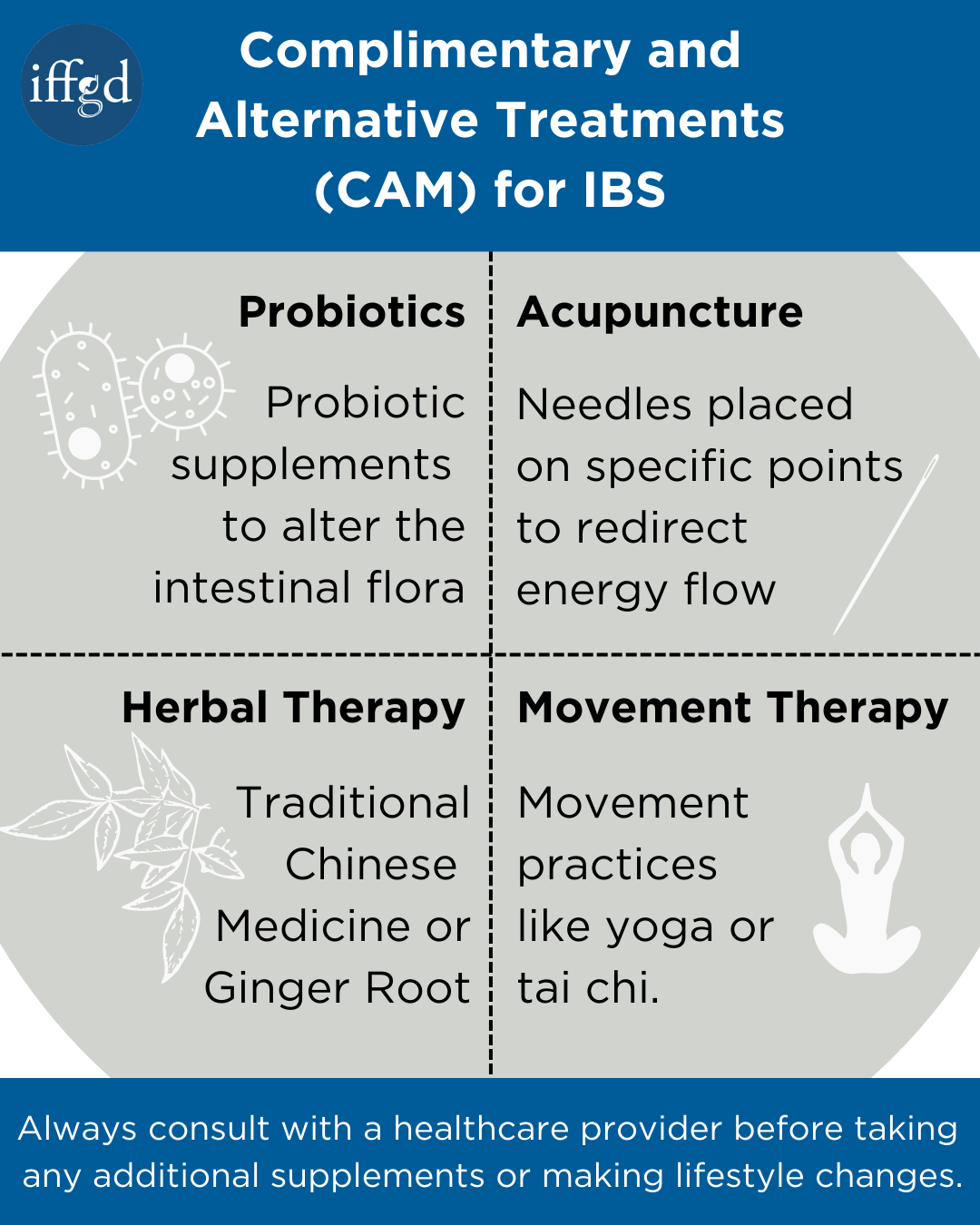
Depression support services can provide numerous benefits for individuals struggling with depression. These benefits include improved mental health, increased social connections, and a sense of community. Depression support services can also provide guidance and support, which can help individuals develop coping strategies and work through underlying issues. Additionally, depression support services can help individuals connect with others who are going through similar struggles, which can reduce feelings of isolation and loneliness, and for those looking for alternative approaches, exploring options like https://www.healingwisdomtoday.com/blog/healing-modalities/explore-your-local-acupuncture-clinic can also be beneficial.
Improved Mental Health
Depression support services can help individuals improve their mental health by providing guidance and support. A therapist can help individuals develop coping strategies, work through underlying issues, and improve their mental health. Additionally, depression support services can provide a sense of community and social connections, which are essential for overall mental health.
Increased Social Connections
Depression support services can help individuals connect with others who are going through similar struggles. This can reduce feelings of isolation and loneliness, which are common symptoms of depression. Social connections are essential for overall mental health, and depression support services can provide a sense of community and belonging.
How to Access Depression Support Services
Accessing depression support services is easier than ever. There are several ways to access these services, including online search, healthcare provider referral, and mental health organizations. Individuals can search for depression support services online, or ask their healthcare provider for a referral. Additionally, mental health organizations can provide information and resources on depression support services.
Online Search
Individuals can search for depression support services online using search engines like Google. This can provide a list of options, including online support groups, counseling, and therapy. Individuals can also read reviews and check credentials to find the best fit for their needs.
Healthcare Provider Referral
Individuals can ask their healthcare provider for a referral to a depression support service. Healthcare providers can provide a list of recommended services, including counseling, therapy, and support groups. This can be a great option for individuals who prefer to work with a healthcare provider they trust.
Common Challenges
Despite the many benefits of depression support services, there are several common challenges that individuals may face. These challenges include stigma, cost, and accessibility. Stigma can be a significant barrier to accessing depression support services, as individuals may feel ashamed or embarrassed about their mental health. Cost can also be a challenge, as some depression support services may not be covered by insurance. Additionally, accessibility can be a challenge, as some depression support services may not be available in all areas.
Stigma
Stigma can be a significant barrier to accessing depression support services. Individuals may feel ashamed or embarrassed about their mental health, which can prevent them from seeking help. However, depression is a common and treatable condition, and seeking help is a sign of strength, not weakness.
Cost
Cost can be a challenge for individuals accessing depression support services. Some services may not be covered by insurance, which can make them unaffordable for some individuals. However, there are many free or low-cost depression support services available, including online support groups and community-based organizations.
Conclusion
Depression support services are essential for individuals struggling with depression. These services can provide a sense of community, guidance, and support, which are essential for overcoming depression. There are several types of depression support services available, including online support groups, counseling, and therapy. While there are several common challenges that individuals may face, including stigma, cost, and accessibility, there are many resources available to help individuals access these services.
Additional Resources
There are many additional resources available for individuals struggling with depression. These resources include mental health organizations, online support groups, and community-based organizations. Mental health organizations can provide information and resources on depression, including symptoms, treatment options, and support services. Online support groups can provide a safe and anonymous space for individuals to share their experiences and connect with others. Community-based organizations can provide free or low-cost depression support services, including counseling, therapy, and support groups.
FAQs
What are depression support services?
Depression support services are resources that provide guidance, support, and community for individuals struggling with depression. These services can include online support groups, counseling, therapy, and community-based organizations.
How can I access depression support services?
Individuals can access depression support services by searching online, asking their healthcare provider for a referral, or contacting mental health organizations.
What are the benefits of depression support services?
The benefits of depression support services include improved mental health, increased social connections, and a sense of community. These services can also provide guidance and support, which can help individuals develop coping strategies and work through underlying issues.
Are depression support services confidential?
Yes, depression support services are confidential. Mental health professionals are bound by confidentiality laws, which means that they cannot share information about their clients without consent.
Can depression support services be accessed online?
Yes, many depression support services can be accessed online. Online support groups, counseling, and therapy are all available online, which can provide a convenient and anonymous way for individuals to access these services.
How much do depression support services cost?
The cost of depression support services can vary. Some services may be free or low-cost, while others may be more expensive. Individuals can check with their insurance provider to see if depression support services are covered.